


How Often Should Main Sewer Lines Be Cleaned in Des Moines?
Category: Drain Cleaning
If you live in Des Moines, you know how quickly a small drain issue can turn into a basement mess. For many homes, the smartest way to avoid backups is scheduling regular mainline service with professional drain cleaning instead of waiting for an emergency.
In this guide, we’ll walk through how often to clean your main sewer line, what drives the timing, and how a proactive plan protects your home. You’ll see why homeowners from Beaverdale and Sherman Hill to West Des Moines, Urbandale, and Altoona count on routine cleaning to keep everything flowing.
What Determines Cleaning Frequency In Des Moines Homes
Every property is different, but a few local factors shape how often your main line needs attention. The mix of older housing stock, tree-lined streets, and our Midwestern weather puts steady stress on buried pipes.
- Pipe material and age: Many older homes near Drake, South of Grand, and Highland Park still have clay or cast-iron sewer laterals that attract roots and build up scale.
- Trees and landscaping: Maples and elms along mature streets send fine roots into tiny joints, creating repeat blockages.
- Household load: Bigger families, frequent laundry, and heavy kitchen use add grease, soap scum, and solids that coat the line faster.
- Seasonal swings: Freeze-thaw cycles and spring rains can shift soil and push joints, letting in roots and sediment.
- What gets flushed: Wipes, hygiene products, and thick paper don’t break down like toilet paper and can snag on rough pipe walls.
Avoid flushing wipes labeled as “flushable.” They often tangle and catch debris, which accelerates clogs in older clay pipes.
Recommended Timeline For Main Sewer Line Cleaning
While every home is unique, these timeframes cover most Des Moines scenarios. Think of them as guardrails you adjust based on what your plumber finds during inspections.
- Typical single-family home with modest tree cover: clean the main every 18 to 24 months.
- Homes with large, mature trees or known root intrusion: clean every 12 months to stay ahead of regrowth.
- Older clay or cast-iron laterals, or homes that have had a backup, plan on 6 to 12 months until the line proves stable.
- After moving into a new-to-you home, schedule a professional cleaning with a camera inspection to establish a baseline.
These ranges let you prevent emergencies instead of reacting to them. A quick follow-up cleaning the first year after a serious root cut is common while roots weaken and die back.
Signs Your Main Line Needs Attention Now
Watch for these early warnings. Addressing them fast can prevent wastewater from appearing in a floor drain or basement shower.
Common red flags include:
- Multiple slow drains at the same time, especially the lowest-level fixtures
- The toilet gurgles when the washer drains
- Sewer odor near floor drains or utility rooms
- Water puddling on the basement floor drain after showers upstairs
- Frequent plunging or recurring clogs within days
If you notice sewage at a floor drain, stop running water and call a pro immediately. That prevents the line from overfilling while help is on the way.
Why Professional Drain Cleaning Protects Your Line And Property
There’s a big difference between clearing a clog and restoring a main to healthy flow. Pros use the right tool for the blockage and confirm results with a camera, so you get a thorough clean instead of a temporary hole through the debris.
Two common methods are used in the Des Moines area:
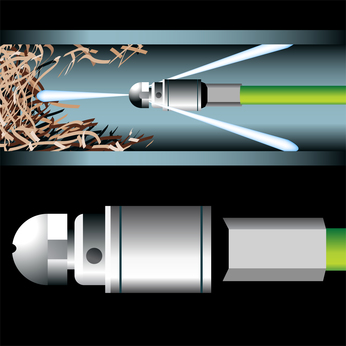
Mechanical cabling breaks through dense buildups and roots with cutting heads sized to your pipe. Hydro jetting uses high-pressure water to scour grease, sludge, and soft deposits off the pipe wall, which can slow future buildup when conditions allow. A camera inspection helps decide what your line needs and verifies that the full diameter is restored.
Skip chemical drain cleaners. Many are harsh on older metals and can pose safety risks, especially if a pro needs to work the line later.
For homes with mature maples or elms, plan cleaning just before peak spring growth. This local timing trims back roots before they surge, which can reduce emergency calls during heavy spring rains.
How Roto-Rooter Plumbing Maintains Main Sewer Lines In Des Moines
When you schedule service with our plumbing company, we tailor the work to your home, soil conditions, and pipe material. That’s especially helpful in neighborhoods with older laterals or shifting soils near creek corridors.
Camera Inspections Drive Smarter Cleaning
We start by locating the cleanout and surveying the line with a high-definition camera. This shows the exact blockage, pipe size, and where roots or mineral scale are worst. With that map, we choose cabling, jetting, or a staged approach.
Root Intrusion In Older Neighborhoods
Clay joints invite fine roots that act like a net in the line. In areas like Beaverdale, Sherman Hill, or parts of Windsor Heights, we often set a 6 to 12 month cadence the first year, then adjust if regrowth slows. The goal is to keep roots dull and weak so they tear easily on future cleanings.
Apartment And Restaurant Considerations
Buildings that handle more grease or constant traffic often need shorter intervals. Even if you’re a homeowner near mixed-use districts like the East Village, it’s wise to monitor your main if nearby trees and heavy use converge at your lateral connection.
Seasonal Factors Around Des Moines
Weather shapes how your line behaves. Spring snowmelt and storms can carry silt into tiny gaps, while summer drought encourages roots to seek moisture inside the pipe. Winter freeze-thaw cycles can widen minor separations, especially in older laterals.
Here’s how the calendar influences maintenance across West Des Moines, Ankeny, Clive, and Pleasant Hill:
- Late winter to early spring: Schedule a cleaning and camera check before storms saturate the ground.
- Mid to late summer: inspect if you’ve had root issues; drought drives aggressive root growth.
- Late fall: clear the line prior to holiday loads and freezing temps.
Homes on large lots with mature trees may benefit from pairing a fall cleaning with a spring follow-up, then extending the gap if camera results look good.
The Risks Of Waiting Too Long
A slow line usually doesn’t fix itself. Buildup narrows the pipe until a normal laundry or shower cycle becomes too much. That’s when a floor drain burps or a basement shower backs up.
Waiting can lead to hidden damage. Wastewater is corrosive, and repeated backups can harm finishes, encourage mold, and create sanitation concerns. In the worst cases, sustained pressure at a blockage can push solids into small openings and deepen joint separations.
Plan A Preventive Schedule That Fits Your Home
Use professional findings to set your cadence. After the first thorough clean and camera survey, your technician will suggest a timeline based on your pipe condition and the debris found. Keep a simple log with dates and what was discovered so you can spot patterns.
A practical plan for many Des Moines homes looks like this:
- Baseline cleaning and camera inspection now
- Follow-up in 12 months if roots or rough pipe are present, otherwise 18 to 24 months
- Adjust timing after heavy tree work, remodeling, or if new household members increase usage
If your line has a history of roots or heavy scale, ask about combining cabling to cut heavy growth with jetting on the next visit to scrub the walls clean. Your tech can explain what the camera shows and why one method makes more sense for your line.
Get Reliable Mainline Drain Cleaning In Des Moines
Ready to prevent backups the smart way? Book main line drain cleaning on a schedule that fits your home, and stay ahead of roots and buildup.
Call Roto-Rooter Plumbing at 515-278-5668 to set your maintenance plan and keep your main flowing all year. We serve Des Moines and nearby suburbs with clean, efficient service and workmanship you can trust.